
Retro Digital Camera Filter
Turn any photo into a 2000s compact digital camera snapshot — direct flash, CCD color noise, glossy highlights, mild motion blur, timestamp feel. Perfect for social avatars, event recaps, and nostalgic brand campaigns.
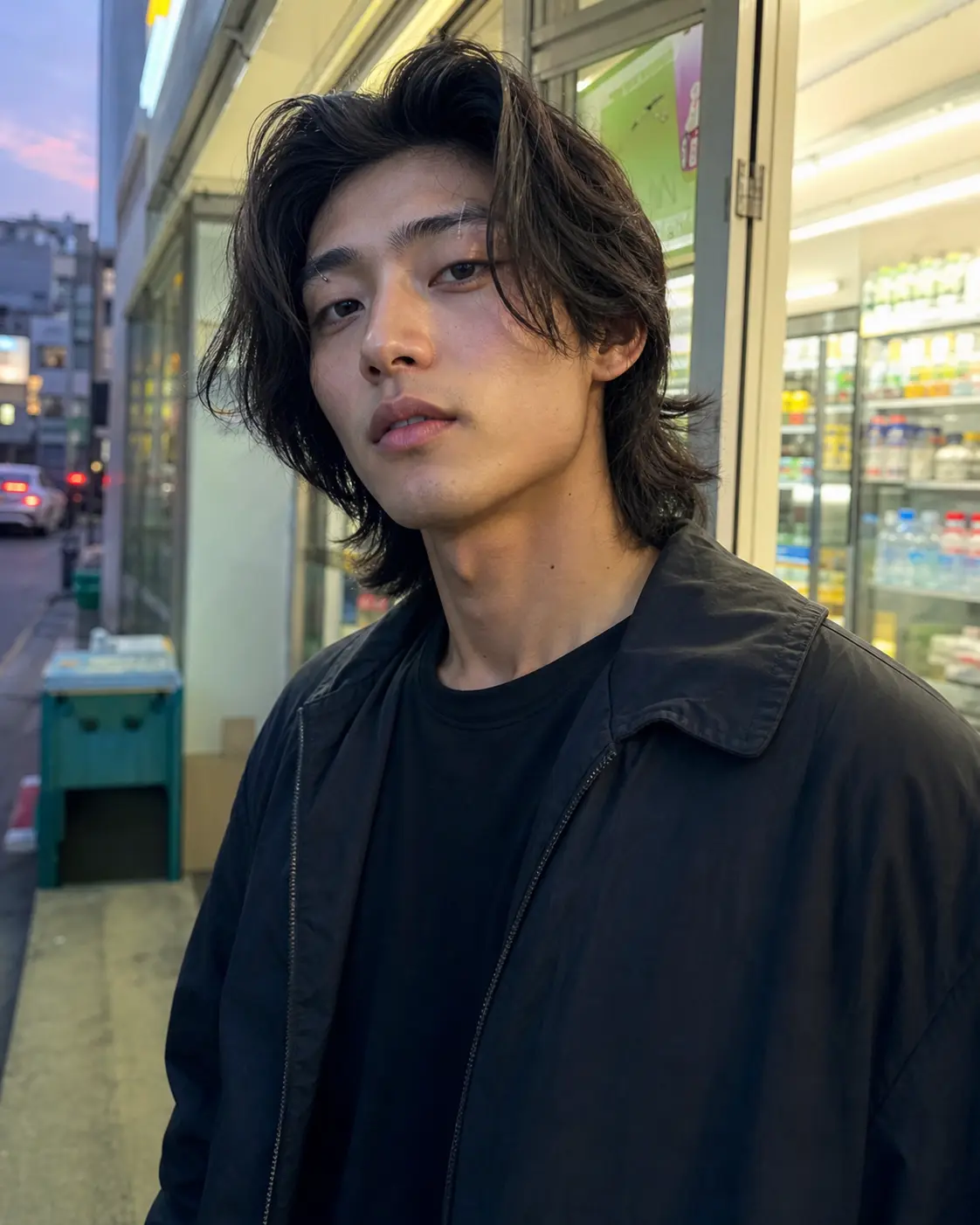
0/5
Nano Banana Results
Ways to use this style
Each variation pairs a sample image with the exact prompt — copy any prompt to start.
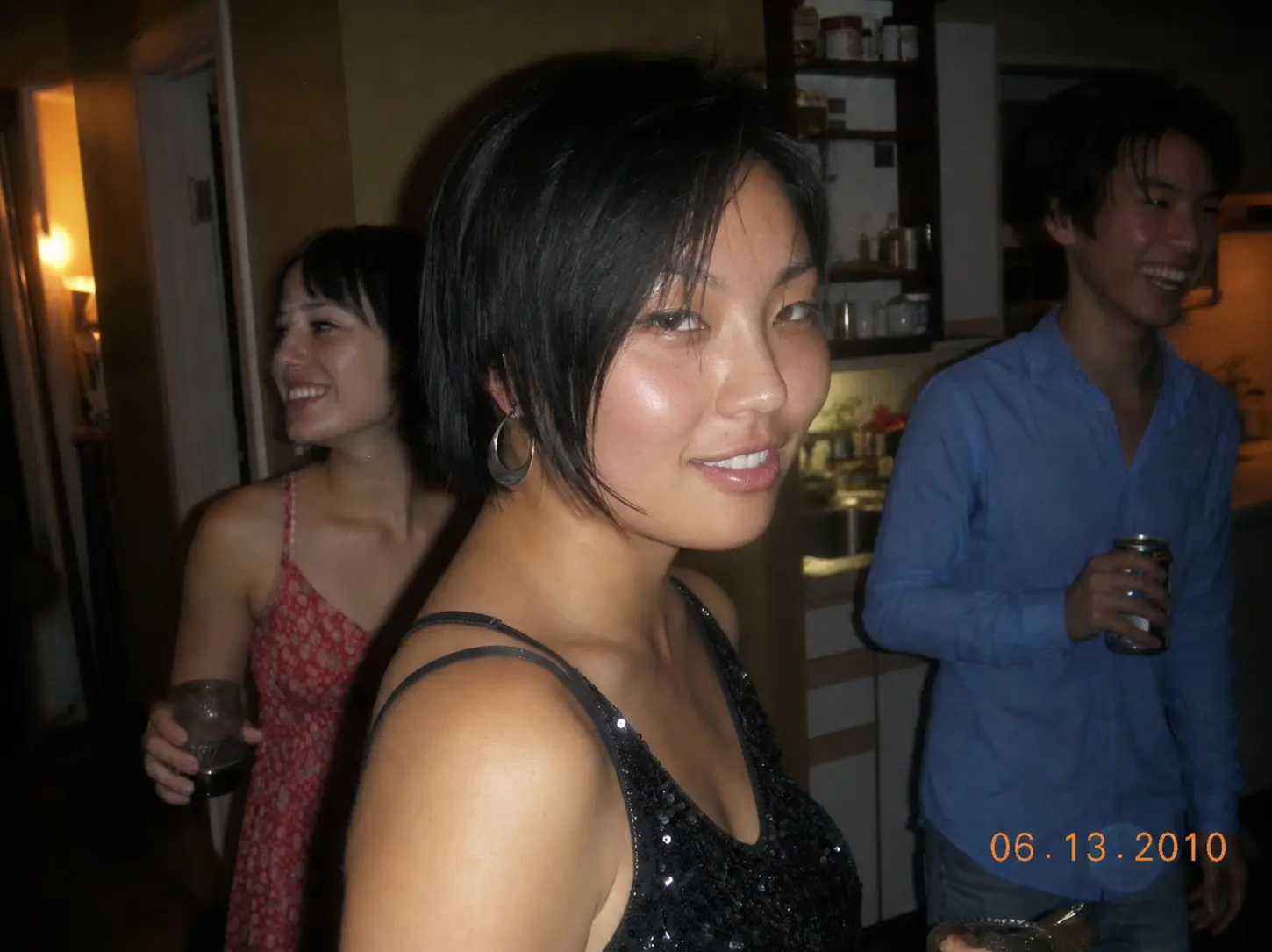
Late-night party flash
Direct flash, friends laughing, that early-2010s timestamp energy — great for party candids, birthday recaps, and nightlife scenes.
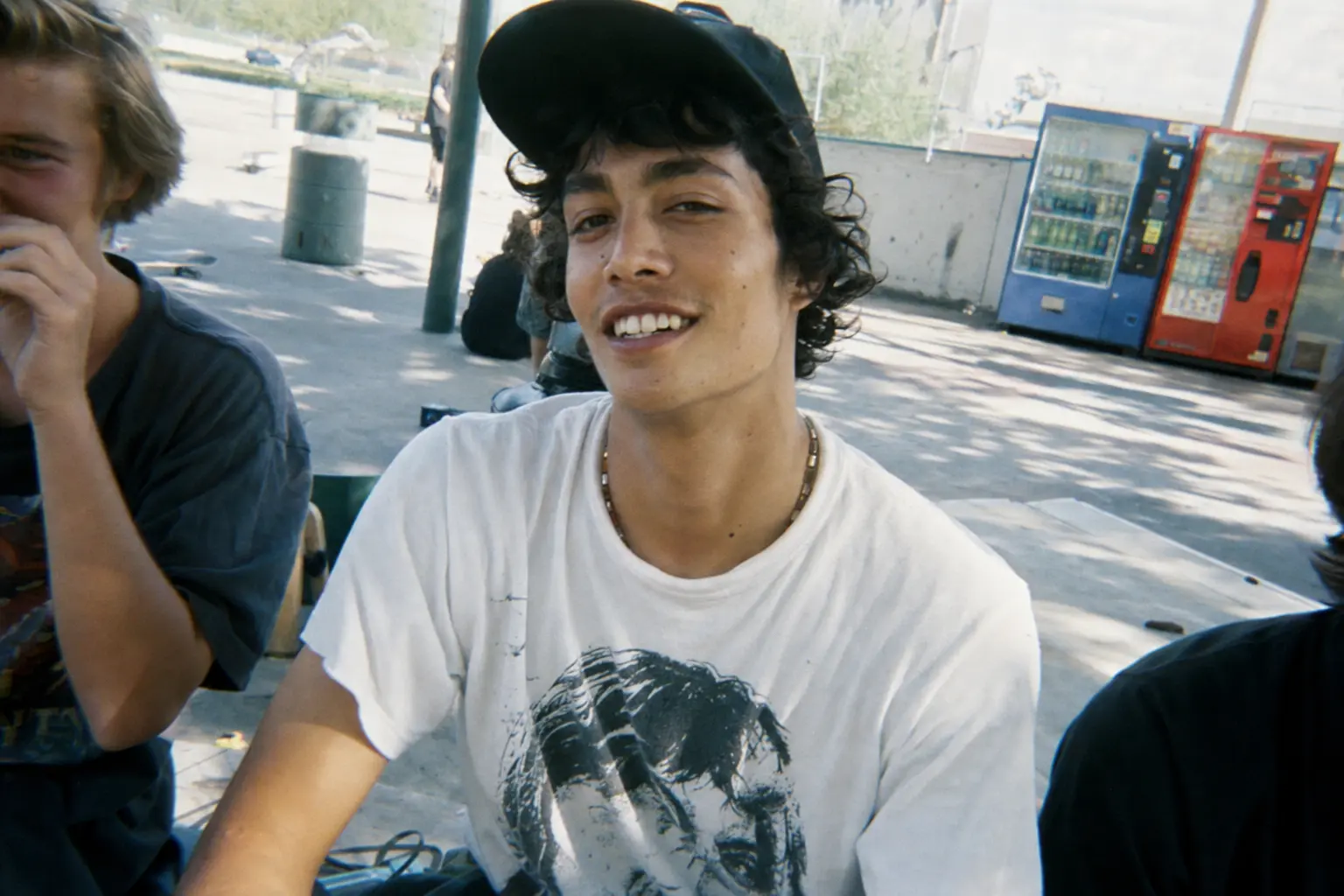
Daytime candid snapshot
Soft daylight, casual framing — like a screenshot dug out of a memory card you hadn't seen in a decade.
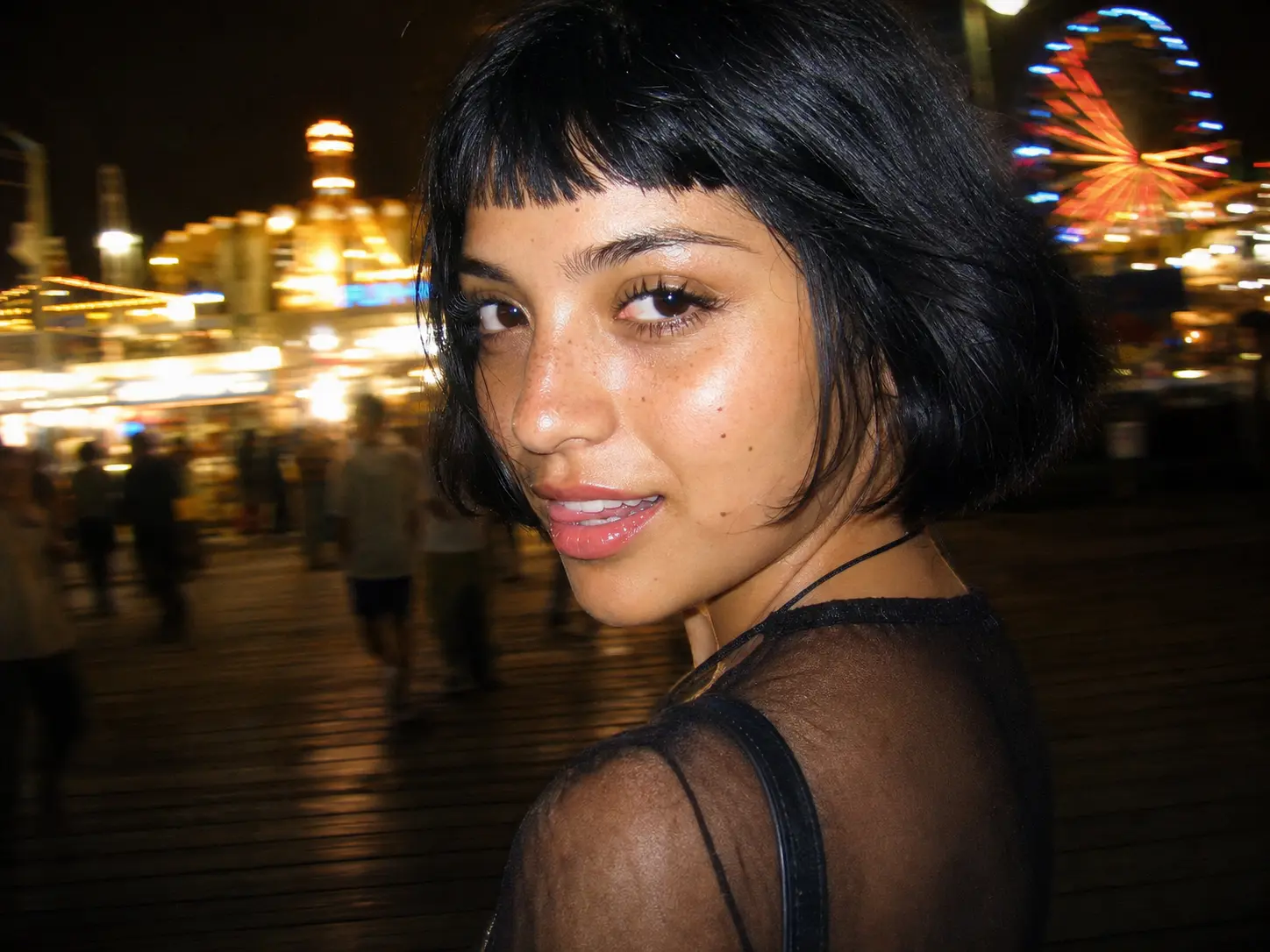
Hard-flash street portrait
Harsh on-camera flash, dark background, glossy skin — the signature look that defined early Tumblr and editorial features.
Recommended PixMelody models
Nano Banana
Nano Banana is the model you reach for when the idea isn't decided yet — light credits, fast renders, every common ratio covered. Try ten directions in the time it takes a flagship to ship one.
GPT Image 2
GPT Image 2 takes a long brief and gives back a finished image with the type set right, the references locked, and the world it depicts true to life — what diffusion-only models still get wrong.
Related styles
AI Glow Up Filter — Natural Beauty Portrait
Upload a portrait or selfie and the AI Glow Up filter gently lifts skin, eyes, lighting, and overall energy — same person, but as if a professional photographer reshot you. Identity preserved, ready for avatars, IG content, and personal brand pages.
Fashion Collage Generator — AI Editorial Collage
Turn photos into editorial fashion collages — layered outfits, magazine-grade composition, clean negative space. Drop straight into brand moodboards, lookbook concepts, seasonal campaigns, and creative proposal visuals.
Studio Ghibli Style Filter
Turn any photo into a hand-painted Studio Ghibli scene — gouache backgrounds, drifting cumulus clouds, wind-moved grass, the quiet slice-of-life mood of Miyazaki's films. Faces stay recognizable, the output looks like a single frame from an animated feature.
FAQ
What is the retro digital camera filter?
It's the PixMelody AI filter built for the look of millennium-era compact digital cameras. Upload a photo and the model adds direct flash highlights, CCD-sensor noise, mild motion blur, and the LCD timestamp feel of the card cameras everyone shot with between roughly 2005 and 2012 — your people and scene stay intact, the imaging quality is rebuilt.
What kind of photo works best with this filter?
Crowded, lived-in scenes — parties, birthdays, dinners, clubs, concerts, street walks — convert most convincingly to the real card-camera feel. Empty landscapes and very clean studio shots feel a bit flat after conversion. Bring in people and movement for the strongest result.
Will it preserve everyone's face in the shot?
Yes. The model keeps each subject's face, expression, and wardrobe recognizable and only rebuilds the imaging language — direct flash on skin, shadow noise, edge chromatic aberration, casual framing. Group photos retain everyone's identity.
How is this different from the Y2K Aesthetic filter?
The retro digital camera filter focuses narrowly on the imaging medium — direct flash, CCD noise, timestamp — restoring just the capture quality of a compact camera. The Y2K Aesthetic rebuilds the whole era's visual language — chrome accessories, neon palettes, holographic textures, millennium fashion. Pick the camera filter for capture feel, Y2K for the full styling package.
How do I get the most authentic card-camera result?
Choose photos with available light and people in motion. In the prompt, specify time of day (late night, dusk, early morning) and venue (house party, birthday, club). To keep that signature glossy flash skin look, hold onto the keywords 'direct flash, glossy highlights, color noise, timestamp' in your prompt.
How long does each generation take?
Most runs finish in 20 to 60 seconds once you upload a photo, depending on the model, scene complexity, and current queue. Pro-tier models run a touch longer on heavy detail, and you see live progress while it works.
Can I use the generated images commercially?
Yes. As long as the source photo is yours or you have permission to edit it, outputs can be used in personal portfolios, social posts, brand campaigns, e-commerce assets, and client deliverables. For commercial use that features recognizable people or third-party brands, confirm likeness and trademark rights separately.
How many credits does this style use?
The inline generator runs on the same PixMelody account and credit system as the main creator. Each generation deducts credits based on the model you pick, and the exact cost shows live on screen. New accounts get free credits to try the style before topping up.