Prompt result
01
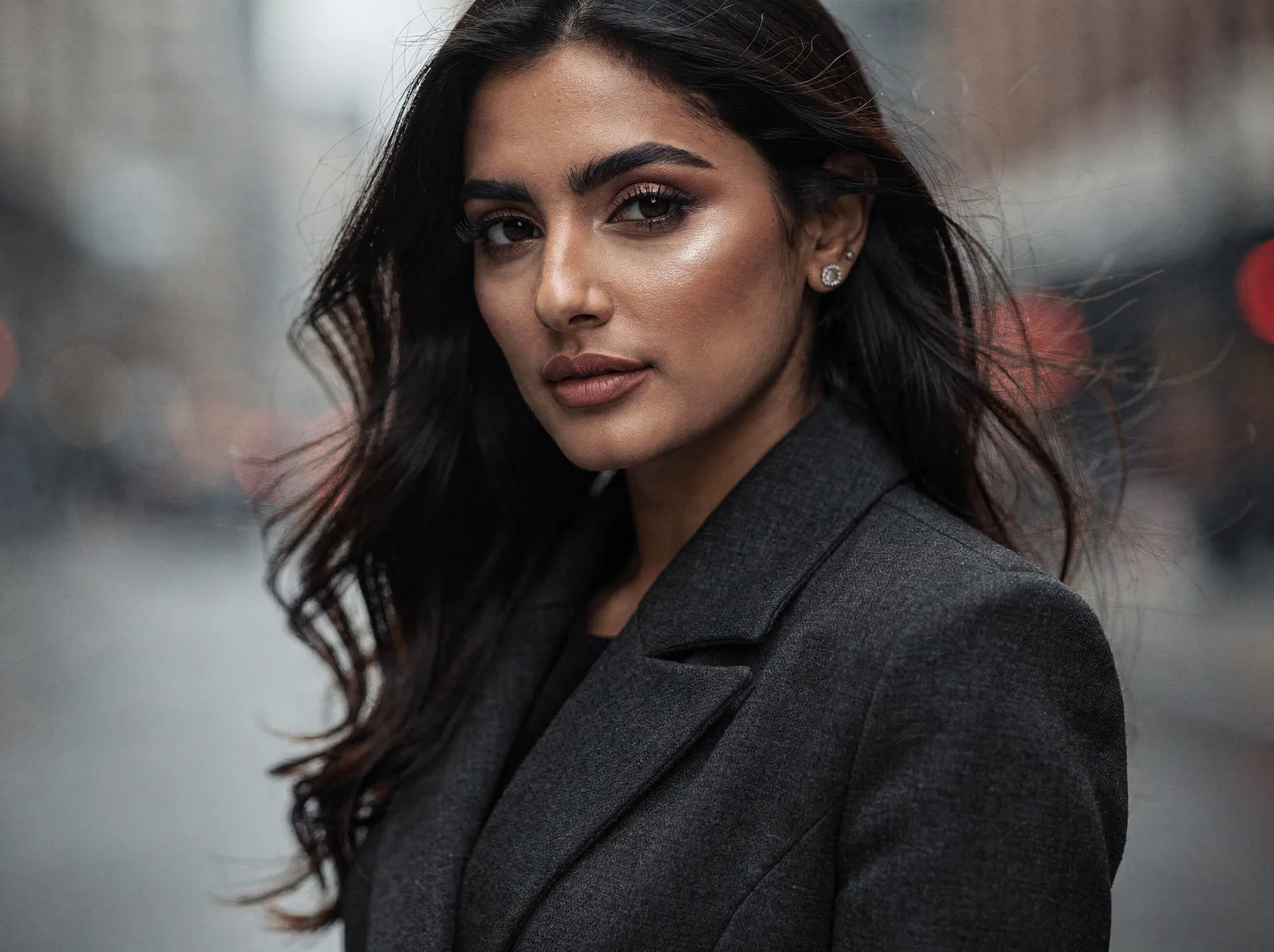
Editorial portrait → ready prompt
Compare the reference with a structured prompt that captures subject, lighting, lens, mood, and styling cues.
Upload an image and get a reusable AI image prompt plus short style notes.
Drop an image to start — your result appears here
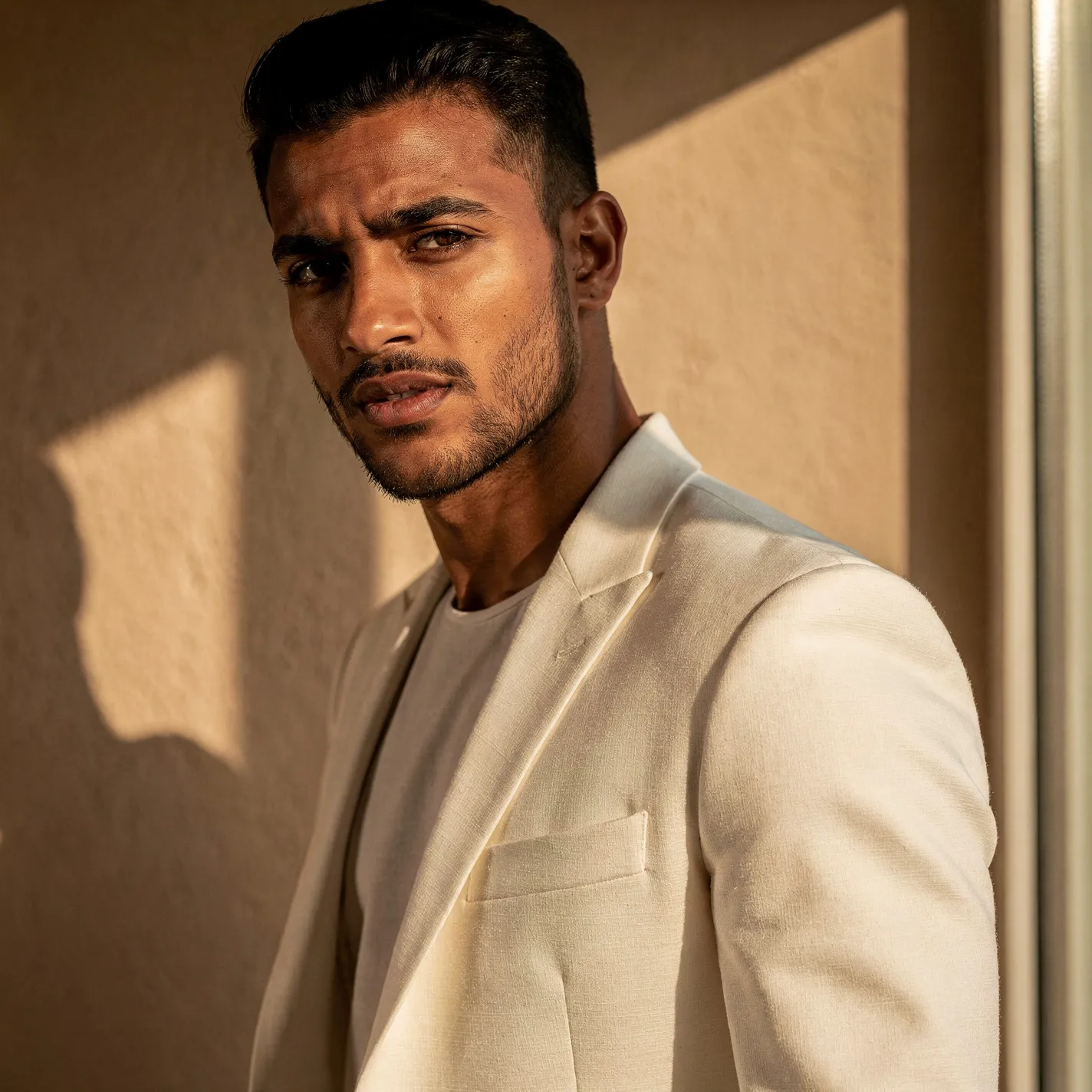
1 credit per run
Upload a JPG, PNG, or WebP image.
The vision model summarizes subject, composition, lighting, and style.
Copy the prompt into GPT Image 2 or Nano Banana.
Three concrete moments where this tool saves a step.
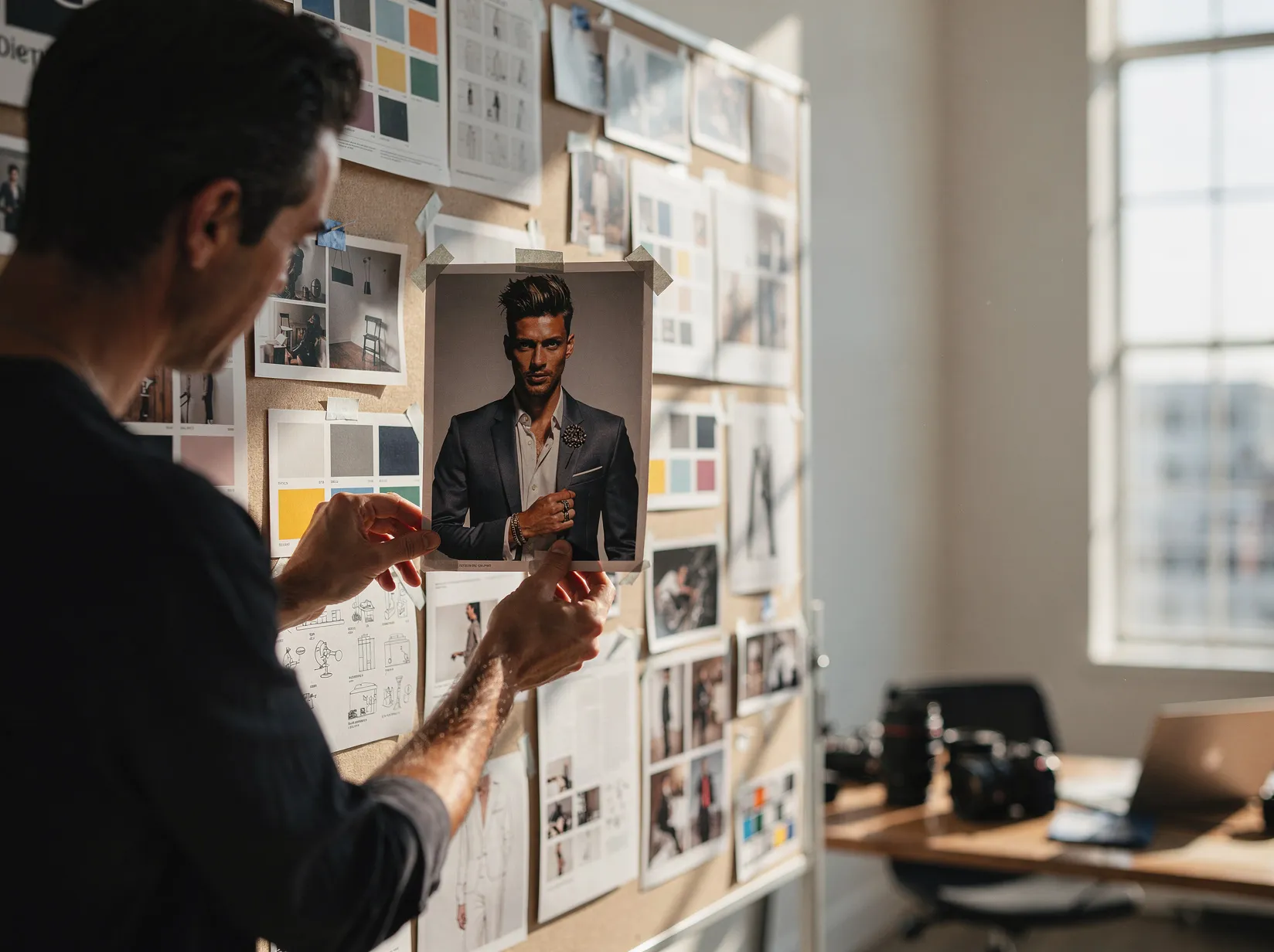
Drop a moodboard image and walk out with a reusable prompt for your generator.
Capture the lighting, palette, and composition cues from any image.
Hand off prompts instead of vague creative briefs.
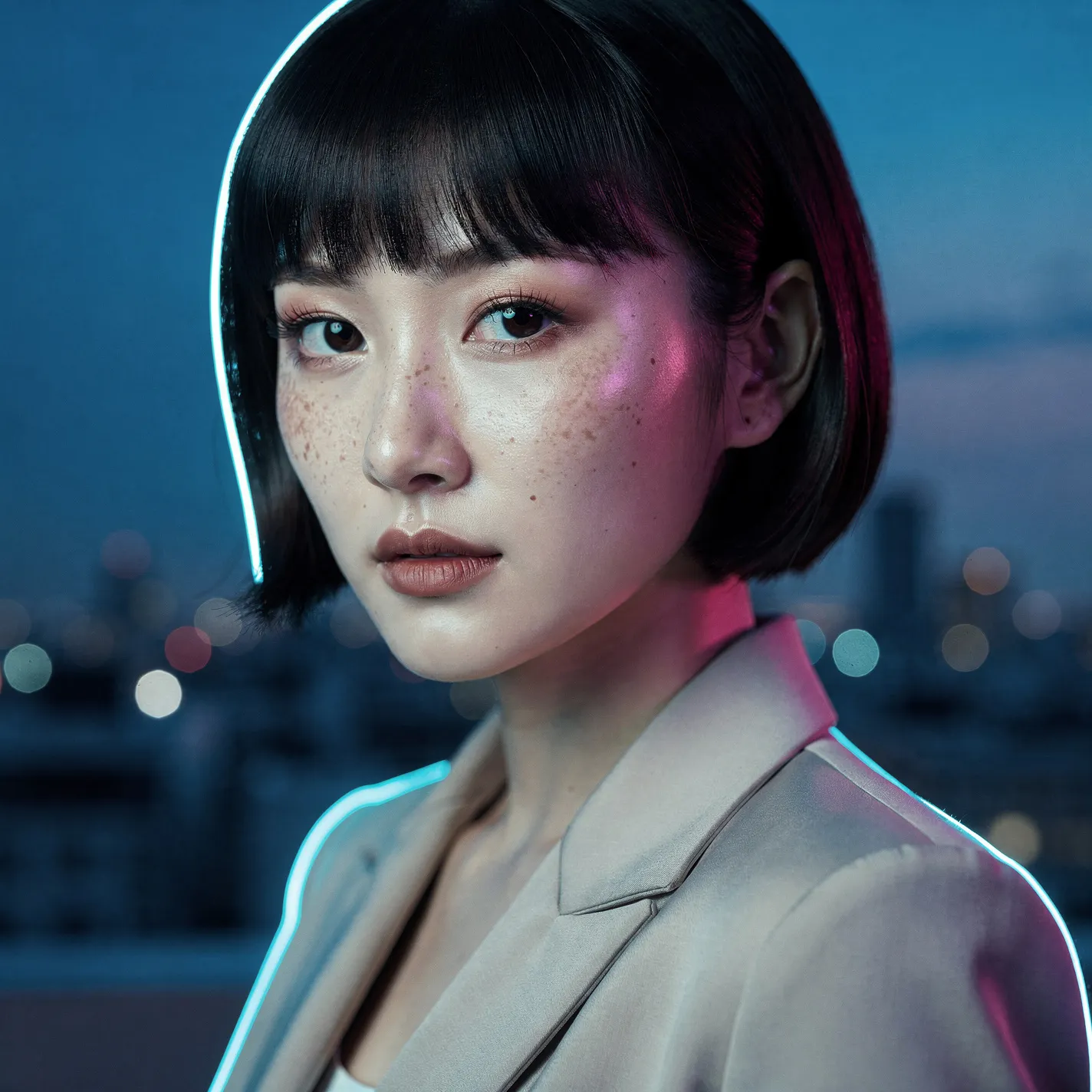
Drag each image to see what changes, then run the same workflow on your own upload.
Compare the reference with a structured prompt that captures subject, lighting, lens, mood, and styling cues.
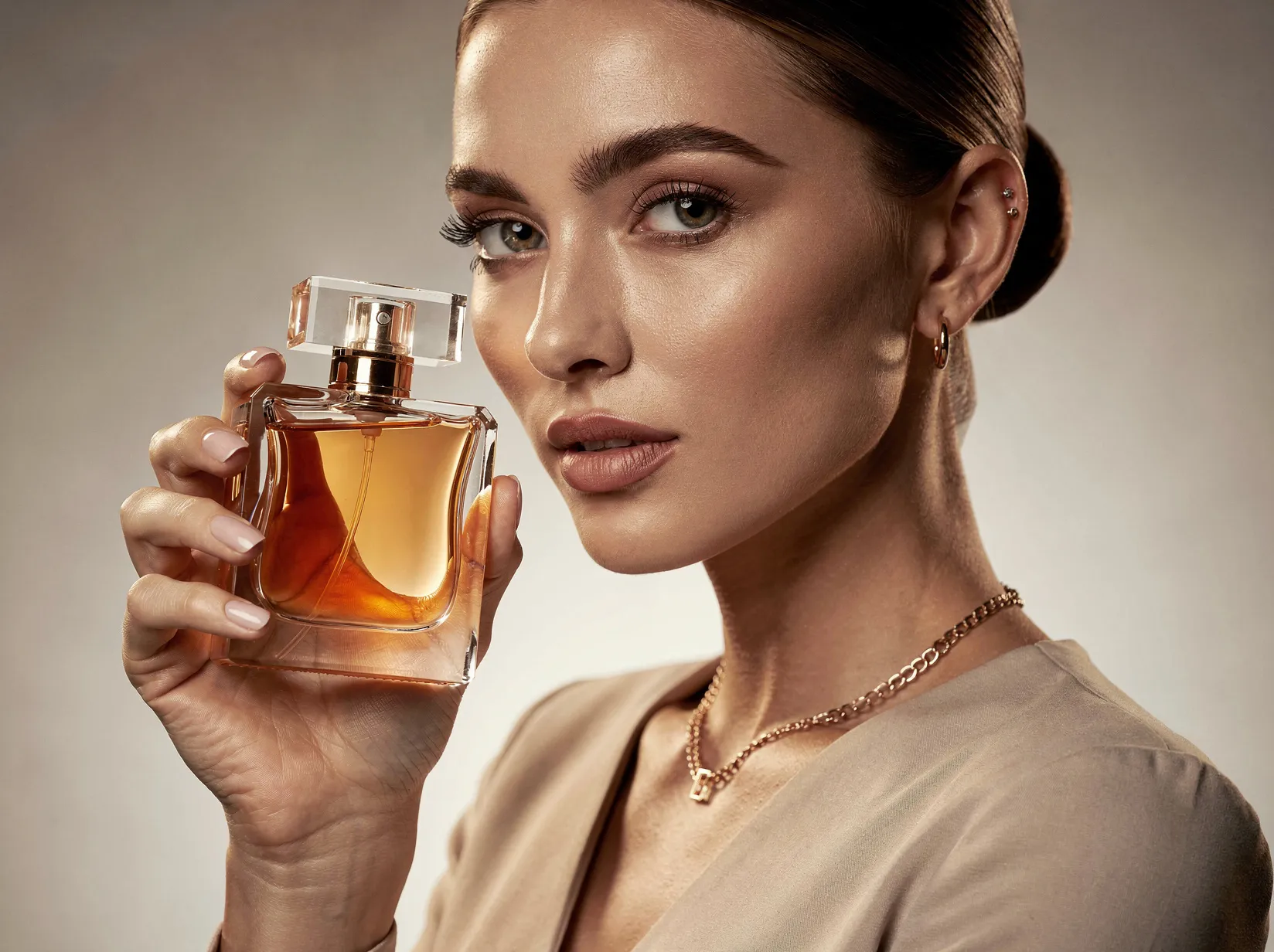
Turn product photography into a reusable creative brief for recreating, remixing, or extending the shot.
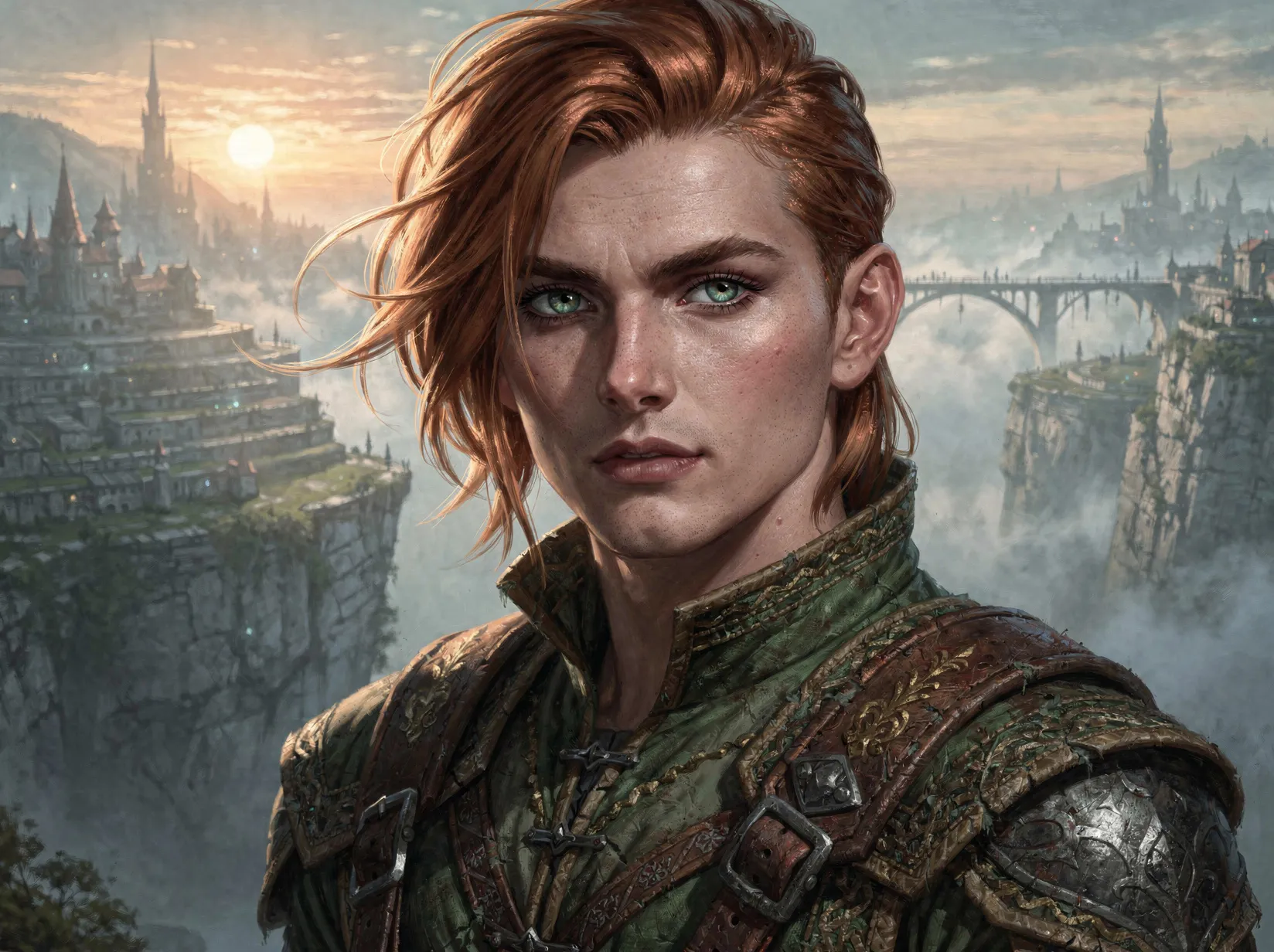
Extract visual style, color palette, composition, and camera notes from artwork so another model has a clear starting point.
Copy the prompt straight into GPT Image 2 or Nano Banana — same tab, no context switch.
Not just a subject description — a full reusable creative brief, ready to remix.
When the vision model can't classify confidently, the tool says so instead of guessing.
GPT Image 2
GPT Image 2 takes a long brief and gives back a finished image with the type set right, the references locked, and the world it depicts true to life — what diffusion-only models still get wrong.
Nano Banana 2
Nano Banana 2 keeps the speed of the base model but adds a quality dial — preview at 1K, sign off at 2K, ship at 4K. The detail in faces, hands, and material textures survives the upscale.
Studio Ghibli Style Filter
Turn any photo into a hand-painted Studio Ghibli scene — gouache backgrounds, drifting cumulus clouds, wind-moved grass, the quiet slice-of-life mood of Miyazaki's films. Faces stay recognizable, the output looks like a single frame from an animated feature.
Fashion Collage Generator — AI Editorial Collage
Turn photos into editorial fashion collages — layered outfits, magazine-grade composition, clean negative space. Drop straight into brand moodboards, lookbook concepts, seasonal campaigns, and creative proposal visuals.
Black and White Portrait Generator — AI Monochrome Filter
Upload a portrait and PixMelody outputs a classic black and white image with bright catchlights, deep tonal range, and clean editorial composition — perfect for author bios, artist features, album covers, and brand bio pages.
It turns a reference image into a reusable AI image prompt. Designers, marketers, creators, and prompt collectors use it to capture the subject, composition, lighting, camera cues, color palette, and style direction from an image before recreating or remixing it in GPT Image 2, Nano Banana, Midjourney, Stable Diffusion, Flux, or another image model.
No image-to-prompt tool can guarantee an exact clone. The prompt describes the visible creative signals in the image, but the final result depends on the model you paste it into, its seed, aspect ratio, reference-image support, and safety rules. For closer matches, use the prompt together with the original image as a reference when your generator supports it.
Clear images with one main subject, readable lighting, and a distinct style work best. Product shots, portraits, interiors, social posts, concept art, illustrations, and moodboard references are all good fits. Very blurry images, tiny screenshots, heavy watermarks, crowded scenes, or images with hidden context may produce less specific prompts.
Yes. You can choose the prompt language, target model, scene style, prompt goal, and level of detail. This helps keep the output practical whether you need a concise edit instruction, a commercial brief, a social creative prompt, or a longer generation prompt tuned for a specific model.
Absolutely. Treat the output as a strong first draft, then adjust brand colors, product requirements, forbidden elements, camera angle, text rules, aspect ratio, or mood. Small edits usually produce better results than regenerating from scratch.
Use JPG, PNG, or WebP images under the upload limit shown in the tool. For best analysis, upload the cleanest available version instead of a compressed chat screenshot.
You can use the generated prompt in your own workflow, but make sure you have the rights to the original reference image and any brand, character, artwork, or product visible in it. The prompt does not transfer copyright or licensing rights from the source image.